

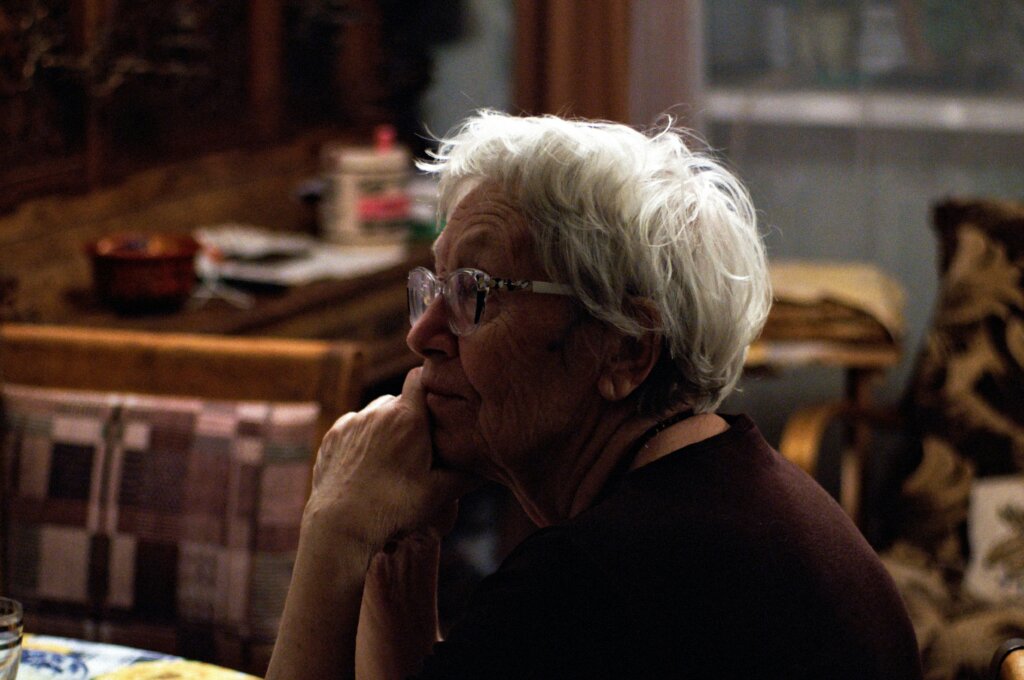
Caring for a frail loved one is never just a logistical decision – it’s emotional, personal, and layered with trade‑offs. Home can feel like dignity and familiarity. A nursing facility can feel like safety and backup… The best choice depends on the person’s medical needs, risk factors, family capacity, and resources.
What “frail” really means in day‑to‑day care
- Multiple vulnerabilities: Frailty often involves reduced strength, slower walking speed, unintentional weight loss, fatigue, and high sensitivity to stressors.
- Common care needs: Help with medications, nutrition, hydration, continence, mobility and fall prevention, skin integrity, and monitoring for delirium or infections.
- Dynamic course: Needs can change quickly after minor illnesses, hospitalisations, or even routine medication adjustments.
Pros of home care
- Familiar environment and routines:
- Comfort and autonomy: Being surrounded by personal belongings and familiar spaces can reduce agitation and support orientation.
- Flexible schedules: Family can tailor meals, sleep, and daily rhythms to the person’s preferences.
- Lower risk of institutional stressors:
- Delirium prevention: Consistent sleep, lighting, and family presence can help reduce confusion and delirium triggers.
- Infection exposure: Fewer communal exposures compared to shared facilities, especially relevant for respiratory and gastrointestinal bugs.
- Personalised attention:
- One‑to‑one care: Family or hired caregivers can deliver highly individualized support that institutions struggle to match.
- Values‑aligned decisions: Care choices can reflect the person’s cultural, spiritual, and lifestyle preferences more easily at home.
- Potential cost advantages (for lower care needs):
- Targeted services: Using visiting nurses, aides, and therapists only as needed can be more affordable than full‑time residential care for those with moderate support needs.
Pros of nursing facilities
- 24/7 oversight and staffing:
- Continuous monitoring: Nurses and aides can respond to changes, manage symptoms, and provide night‑time care without relying on family availability.
- Medication administration: Systems for dosing, monitoring side effects, and preventing missed doses.
- Access to multidisciplinary care and rehabilitation:
- On‑site therapies: Physical, occupational, and speech therapy are often available and scheduled consistently.
- Medical equipment: Pressure‑relief systems, lifts, specialised beds, and wound‑care supplies are readily on hand.
- Structured programs and social activities:
- Routine and engagement: Group activities, dining rooms, and common spaces can support social interaction and reduce isolation.
- Nutrition support: Menus tailored to medical and swallowing needs, with monitoring of intake and weight.
- Emergency readiness:
- Rapid escalation: Facilities have protocols for urgent evaluation and transfer when needed.
How to choose: a practical decision framework
- Clinical needs:
- High medical complexity: Frequent monitoring, wound care, advanced equipment, or night‑time needs may favour a nursing facility.
- Stable needs with strong family support: Home care works well when safety, medication accuracy, and mobility assistance are reliable.
- Caregiver capacity:
- Availability and resilience: Consider work schedules, physical ability for transfers, and emotional bandwidth.
- Respite options: If home care is preferred, line up respite and backup to prevent burnout.
- Environment and safety:
- Home modifications: Falls history, continence needs, and safe bathing arrangements matter.
- Proximity to services: Access to urgent care, home health agencies, and transportation.
- Values and preferences:
- Autonomy vs. predictability: Some seniors prioritise home familiarity; others value consistent routines and professional presence.
- Social needs: Assess whether the person thrives with group activities or prefers quiet family time.
Making either option safer and more humane
- For home care:
- Care plan and checklist: Daily meds, hydration targets, mobility plan, skin checks, red‑flag symptoms, and who to call.
- Tech and supports: Medication dispensers, fall‑alert wearables, telehealth check‑ins, and scheduled respite.
- Environment: Lighting, grab bars, raised toilet seats, shower chairs, clutter‑free floors, and meal prep that prioritises protein and fibre.
- For nursing facilities:
- Personalisation: Bring familiar photos, a favourite blanket, music playlists, and a comfort routine.
- Advocacy: Regular visits, care conferences, clear care preferences (pain control, sleep, mobility goals), and medication reviews.
- Quality signals: Ask about staffing ratios, fall and pressure‑injury rates, infection control practices, and how they manage delirium and behaviour changes.
There isn’t a “right” answer for everyone – just the right fit for a person at a moment in time.
Home care can preserve identity and comfort, but it demands coordination and sustainable support.
Nursing facilities can deliver constant oversight and clinical resources, but they require vigilance to ensure care stays personal and dignified.
Revisit the decision as needs evolve, and treat the care setting not as a destination, but as a tool to keep the person safe, respected, and connected.