

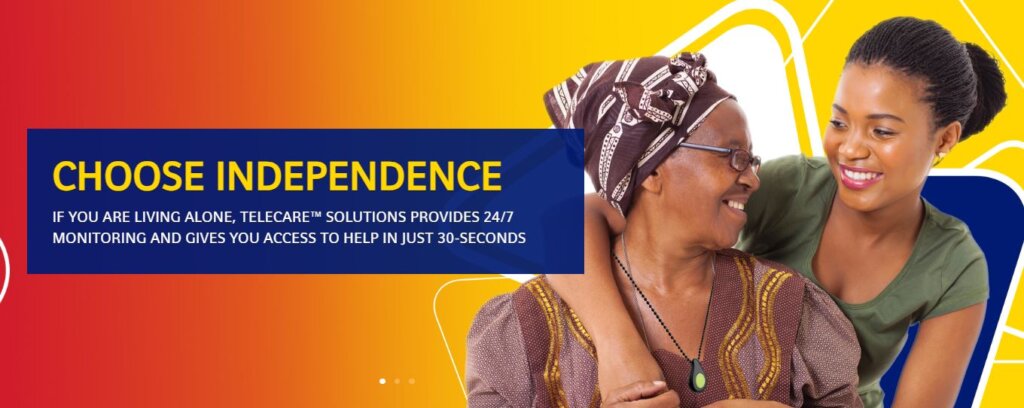
When it comes to the safety and care of elderly residents in care homes, communication is more than just a courtesy, it’s a lifeline.
Staying connected with family members, call centres, and nurses’ stations plays an essential role in safeguarding residents’ health and improving their overall care.
Open and reliable lines of communication ensure that no concern goes unnoticed and that residents have the support they need to live safely and comfortably.
Family involvement as a safety net
Family members act as a crucial support system for elderly residents, even when they live apart.
Regular communication allows family members to observe subtle changes in their loved ones’ health or mood, which might otherwise go unnoticed.
For example, a family member might detect a change in tone during a phone call or observe physical differences during a video chat.
These early signs of health issues can then be promptly relayed to care home staff for attention.
Moreover, families serve as active participants in decision-making about the resident’s care.
From adjusting medications to discussing dietary preferences, their involvement ensures that care plans remain personalised.
For many elderly individuals, knowing their family is still actively engaged in their lives provides a deep sense of emotional security.
Call Centres: Bridging gaps and resolving issues
Care homes often rely on call centres to address residents’ or families’ concerns quickly and efficiently.
A well-managed call centre ensures that no question or issue is left unanswered. Whether it’s coordinating transport for a medical appointment, providing information about upcoming activities, or resolving logistical problems, call centres offer an immediate and organised approach to support.
For elderly residents with fewer personal visitors or those with specific needs, having access to a call centre becomes particularly important. It ensures that their voices are heard, their needs are addressed, and they always feel included in their care process.
The vital role of nurses’ stations
As the central point of medical care, the nurses’ station plays an indispensable role in the day-to-day lives of care home residents. From administering medication to responding to health emergencies, nurses are often the first responders in critical situations.
Regular communication between residents and nurses ensures that medical concerns are addressed promptly.
Additionally, nurses provide real-time updates to family members, strengthening trust and transparency. They help build a bridge of communication between residents, their families, and the care home’s management, reinforcing a sense of collaborative care.
Open communication channels reduce errors, foster collaboration, and enhance the overall quality of care. When residents, families, and care teams are in sync, potential problems can be caught early, and tailored solutions can be implemented.
In a care home setting, communication is more than a process; it’s the foundation of a safe and nurturing environment.
By maintaining strong connections with family members, call centres, and nurses, care homes can ensure the safety, happiness, and well-being of their residents, providing a level of care that feels both personal and professional.
For more information, contact TeleCare Solutions