

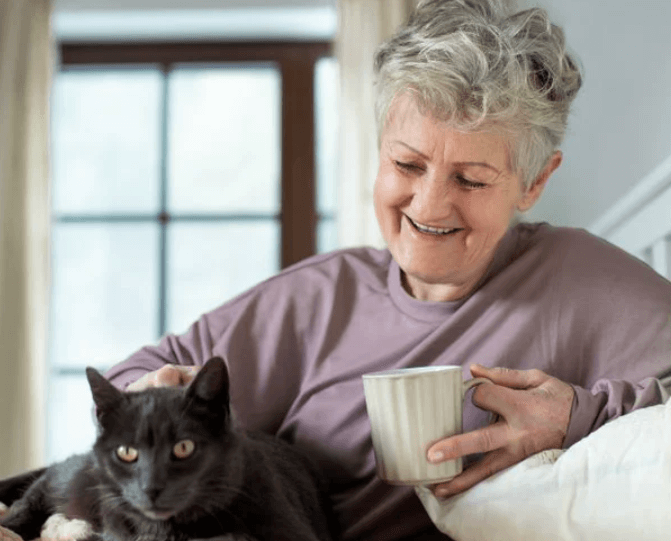
Retirement used to conjure up images of quiet afternoons, bingo nights, and maybe a garden gnome or two.
But today’s retirees? They’re rewriting the script – and they’re doing it with a furry companion by their side.
Across South Africa, pet-friendly retirement villages are becoming not just popular, but essential.
And it’s not just about cuddles and companionship. It’s about mental health, physical vitality, and a deeper sense of belonging.
The Psychology of Pets: More Than Just Companions
Let’s start with the obvious: pets make people happy. But for older adults, the benefits go far deeper.
According to Dr Mareanna le Roux, a psychology lecturer at Stellenbosch University, the presence of a pet – especially a dog – can significantly improve quality of life for seniors. “Having a pet, and the constant companionship, goes a long way in improving the standard of living for any human being,” she explains.
Research shows that pets:
- Reduce stress and anxiety
- Lower blood pressure
- Boost serotonin and dopamine levels
- Encourage physical activity and social interaction
In fact, a Japanese study found that dog owners visit doctors 30% less often than non-dog owners.
Historically, many retirement homes had strict no-pet policies. The rationale? Noise, hygiene, and liability. But that’s changing – fast.
Some developers have already embraced pet-friendly policies, allowing residents to bring cats and dogs into houses, cottages, and ground-floor apartments.
They understand that for many seniors, pets aren’t just pets – they’re family.
Pets even bring joy to residents who don´t have pets of their own. They become beloved co-residents, roam the clubhouse, snuggle and even “chat”. Their presence can lift spirits, reduce loneliness, and create a sense of community that no bingo night could replicate.
The Science of Pet Therapy
Animal-assisted therapy isn’t new. It dates back to 1792, when animals were used to treat mental illness at York Retreat in England.
Today, therapy animals help with everything from depression and dementia to post-surgical recovery.
Benefits include:
- Decreased feelings of isolation
- Improved communication and socialization
- Release of calming endorphins
- Reduced pain and improved recovery from illness
Even a cat’s purr has been shown to lower blood pressure and reduce inflammation.
Of course, pet-friendly doesn’t mean pet-free-for-all. Retirement villages typically have:
- Breed and size restrictions
- Limits on the number of pets
- Behavioural guidelines (no excessive barking or roaming)
- Leash and cleanup policies
These rules help balance the joy of pet ownership with the needs of the broader community.
The rise of pet-friendly retirement villages in South Africa isn’t just about accommodating dogs and cats. It’s about redefining ageing. It’s about recognising that joy, companionship, and unconditional love don’t retire – they just move into a new phase.
So whether it’s a Labrador lounging on a sunny stoep or a tabby curled up in a clubhouse armchair, pets are helping seniors live longer, and love deeper.