

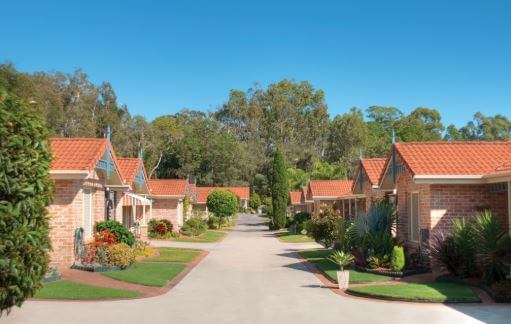
Retirement isn’t what it used to be – and neither are the places where people choose to live out this chapter of life. Retirement villages are emerging as vibrant, flexible communities that foster independence, social connection, and healthy ageing…
Gone are the days when such villages were seen as clinical or restrictive. Today, they’re centres of wellbeing, offering residents a better quality of life through thoughtful design, services, and community engagement.
Boosting mental wellness
Moving into a retirement village isn’t just about downsizing – it can be a major upgrade in terms of mental health. Research by Holland and colleagues showed that older adults who transitioned into supportive retirement communities experienced measurable improvements in depression, memory, and mobility compared to those who stayed in traditional housing.
Within weeks, residents reported feeling less isolated and more optimistic. The village environment – with access to care, peer interaction, and routine – appears to enhance emotional resilience and slow age-related cognitive decline.
Encouraging physical activity
One of the most compelling reasons to consider retirement village living is the boost to physical health. A UK report in 2020 found residents were significantly more active than their non-village peers. On average, they walked more, exercised more, and participated in wellness programs at much higher rates.
These communities often include:
- Fitness centers and group classes
- Trails for walking or biking
- Swimming pools and physiotherapy facilities
This built-in support for movement helps prevent falls, manage chronic conditions, and promote long-term vitality.
Fighting loneliness with friendship
Loneliness is one of the greatest silent threats to older adults – but retirement villages are designed to counteract it. Whether through coffee meetups, hobby clubs, or shared gardens, residents have access to daily social interaction.
According to a 2023 study by ProMatura International and ARCO, seniors in retirement communities are:
- 5× more likely to socialize daily
- 40% more likely to report feeling happy or fulfilled
- Friendships formed in these settings can buffer stress, support brain health, and provide a sense of purpose – essential ingredients for aging well.
Prioritising safety and stability
Living alone can pose challenges for older individuals – falls, medical emergencies, or simply the burden of home maintenance. Retirement villages address these issues with features like:
- 24/7 security and emergency systems
- On-site caregivers or medical staff
- Ageing-friendly architecture to reduce accidents
For families, knowing their loved ones are in a secure and responsive environment provides priceless peace of mind.
Independent living with a safety net
Modern retirement villages strike a balance between privacy and support. Residents often live in fully equipped private homes – from apartments to garden cottages – while having access to optional services like:
- Housekeeping
- Meal delivery
- Assisted living care if needed
This model allows seniors to maintain autonomy while having help available as life circumstances evolve.
Simplifying finances and daily life
While moving into a retirement village may come with initial fees, many seniors find it simplifies their monthly expenses. No more surprise repair bills or unpredictable service costs.
Plus, amenities like gyms, entertainment, and transport are shared resources – making life more affordable and streamlined.
Some communities also offer rental options or buy-in models, giving families flexibility depending on their financial goals.
Designed for healthy living
From architecture to landscaping, retirement villages are built to enhance wellbeing. Features include:
- Barrier-free design (non-slip floors, wide doorways)
- Lots of natural light
- Sustainable materials and green energy use
- Community gardens and outdoor gathering spaces
These design elements aren’t just aesthetic—they’re deeply functional, helping reduce falls and support cognitive health through environmental cues.
Choosing to live in a retirement village isn’t about stepping away from independence – it’s about stepping into a space designed for connection, comfort, and care.
With evidence mounting around their mental, physical, and social benefits, these communities are redefining what it means to age with dignity.