When Dementia Changes Familiar Faces: Why Specialised Care Matters
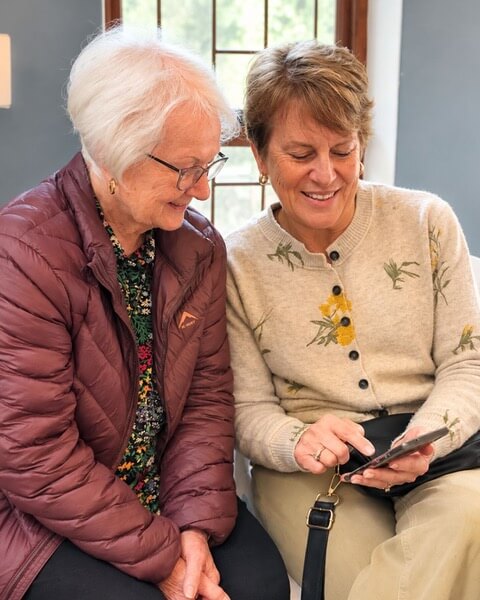
Imagine visiting someone you’ve loved for years, only to discover they no longer recognise you. A mother may not recognise her grown-up daughter, or a husband may struggle to remember his wife.
For families navigating dementia, these moments can be heartbreaking. However, losing the ability to recognise someone doesn’t necessarily mean losing the ability to feel comfort, affection or connection.
At Protea Memory Clinic in Durbanville, Cape Town, we understand that dementia care is about much more than memory loss. It’s about preserving dignity, providing reassurance and helping residents continue to enjoy meaningful everyday experiences.
When Recognition Fades, Connection Can Remain
As dementia progresses, changes in the brain can make it difficult to recognise familiar faces, recall relationships or communicate effectively. Someone may remember their child as a youngster but struggle to recognise them as an adult. Others may respond positively to a familiar voice, favourite song or gentle touch, even when they cannot identify the person.
Research suggests that emotional responses can sometimes persist despite difficulties with memory. This is why patience, reassurance and meaningful interaction remain so important. Rather than repeatedly correcting someone or asking them to remember, a calm introduction, familiar activity or simply spending time together can often be more comforting.
Personalised Dementia Care Makes a Difference
Every person experiences dementia differently, and their care needs may change over time. At Protea Memory Clinic, our approach focuses on understanding each resident’s individual personality, preferences and daily routines. Our standard care package offers a 1:2 carer-to-resident ratio, with an optional 1:1 care package for those requiring additional individual assistance.
This level of personal attention allows our trained carers to become familiar with residents’ needs and provide compassionate support when confusion, anxiety or changes in recognition arise. For families, knowing their loved one is receiving specialised care can offer valuable peace of mind.
A Welcoming Environment With Meaningful Daily Activities
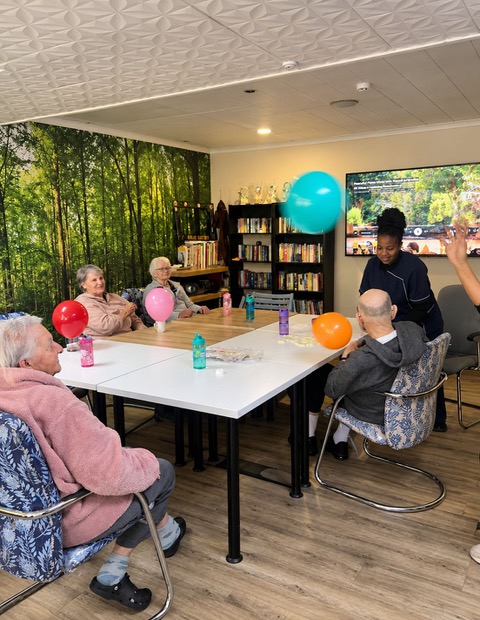
Familiar routines and comfortable surroundings can provide reassurance for people living with dementia. Situated in a beautifully converted boutique hotel in Durbanville, Protea Memory Clinic offers a warm, homely environment with welcoming communal spaces and gardens. Residents enjoy opportunities to participate in music, exercise, gardening, creative activities and social gatherings, with activities adapted to their abilities and preferences. Visits from community groups, musical performances and pet therapy also bring enjoyment and companionship into everyday life.
Even when a resident cannot remember an activity afterwards, the experience can still bring happiness and comfort in the moment.
Supporting Families Through the Dementia Journey
As dementia progresses, caring for a loved one at home can become increasingly demanding. Families may find themselves managing personal care, meals, medication and supervision while also coping with the emotional challenges of the condition.
At Protea Memory Clinic, our specialised residential care helps ease these responsibilities, allowing family members to focus on spending quality time with their loved ones. We encourage ongoing family involvement and maintain an open-door approach to communication.
PMC also offers a free monthly dementia support group, open to the public, where families and caregivers can share experiences, receive guidance and connect with others facing similar challenges.
Why Choose Protea Memory Clinic?
Choosing specialised dementia care means finding a place where your loved one receives the attention, compassion and support they need.
At Protea Memory Clinic, we offer:
· Personalised care: Individual care plans tailored to each resident’s needs.
· High levels of personal attention: A 1:2 standard carer-to-resident ratio, with an optional 1:1 care package.
· A homely environment: Comfortable accommodation and welcoming communal spaces in Durbanville.
· Meaningful activities: Music, exercise, gardening, creative activities and social engagement.
· Nutritious meals: Three meals daily, plus snacks and support for specialised dietary requirements.
· Family support: Open communication, family involvement and a free monthly dementia support group.
· Compassionate carers: Trained staff who understand the importance of patience, reassurance and individual attention.
Discover the Protea Memory Clinic Difference
Dementia may change how someone remembers and communicates, but their need for kindness, companionship and quality care remains. At Protea Memory Clinic, we provide specialised residential dementia care that looks beyond the diagnosis, focusing on each resident’s comfort, dignity and quality of life.
If your loved one’s care needs are changing, or you are finding it increasingly difficult to manage their care at home, we invite you to visit Protea Memory Clinic. Meet our team, explore our welcoming facility and discover how our personalised approach can support your family.
Contact Protea Memory Clinic today to arrange a visit or discuss our residential care options.
References
1. Alzheimer’s Society – Practical Tips for Supporting Someone With Memory Loss https://www.alzheimers.org.uk/about-dementia/stages-and-symptoms/dementia-symptoms/memory-loss-support-tips
2. Alzheimer’s Association – Communication and Alzheimer’s https://www.alz.org/help-support/caregiving/daily-care/communications
3. Alzheimer’s Society – Changes in Behaviour https://www.alzheimers.org.uk/about-dementia/symptoms-and-diagnosis/symptoms/behaviour-changes
4. Feinstein JS, Duff MC, Tranel D. (2010). Sustained Experience of Emotion After Loss of Memory in Patients With Amnesia. Proceedings of the National Academy of Sciences. https://pmc.ncbi.nlm.nih.gov/articles/PMC2867870/
5. National Institute on Aging – Communicating With Someone Who Has Alzheimer’s Disease https://www.nia.nih.gov/health/alzheimers-changes-behavior-and-communication/communicating-someone-who-has-alzheimers